
Coal Tar vs. Asphalt Emulsion Sealcoat: Which Is Best for Minnesota Winters?
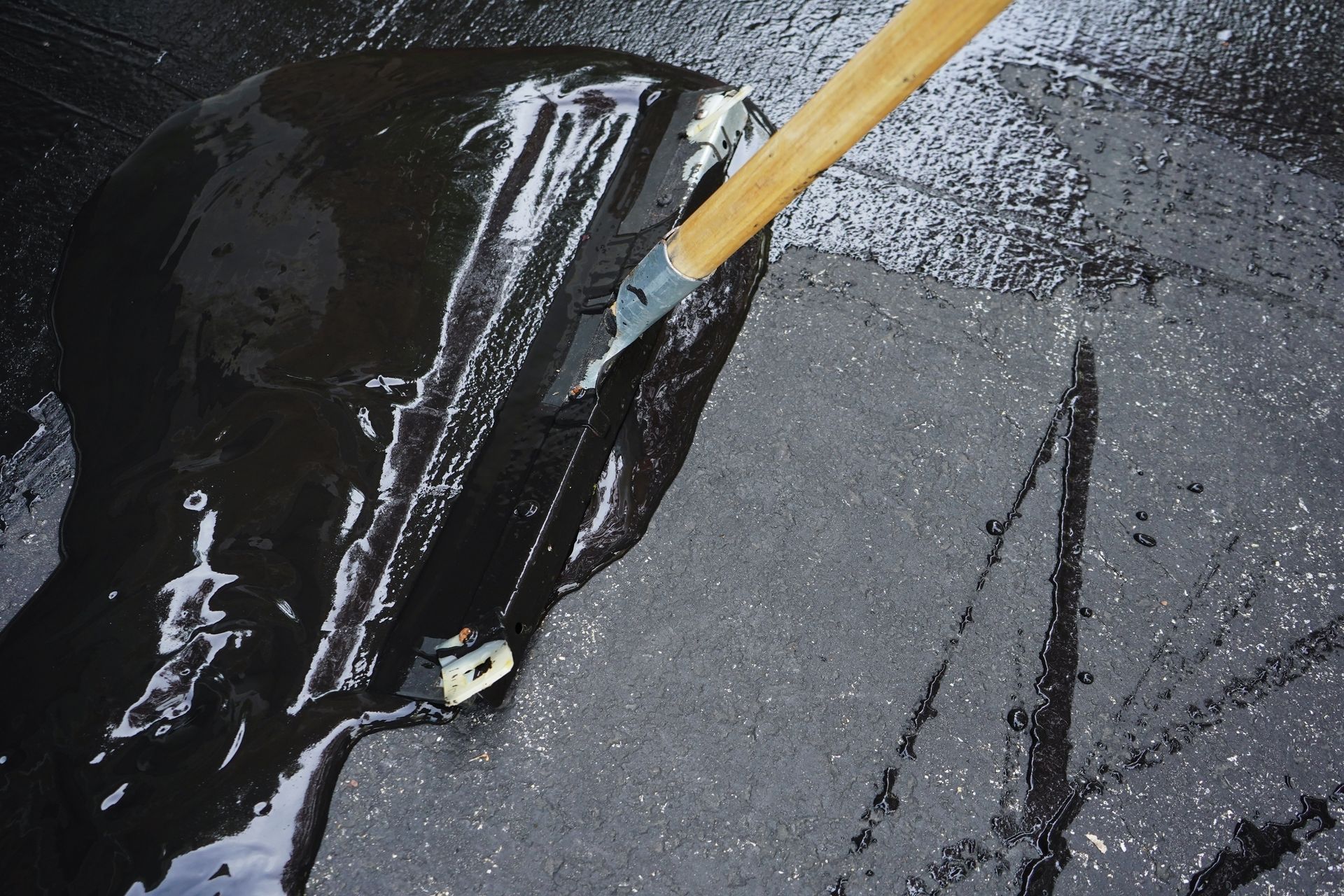
Choosing the right sealcoat for a Minnesota driveway or parking lot directly affects how well your pavement survives the state's brutal winters. This guide breaks down the two most-discussed options for asphalt sealcoating in Hopkins, MN: coal tar and asphalt emulsion. Ready to protect your pavement before winter hits? Call SealPros at 612-208-7079 for a free estimate.
Hopkins, MN, sits in Hennepin County and experiences some of the most demanding freeze-thaw cycles in the country. Temperatures can swing from well below zero in January to the 90s in summer, putting enormous stress on pavement year after year.
What Are These Two Sealcoat Products?
Coal Tar Sealcoat. Coal tar is a byproduct generated during the conversion of coal into coke for steel production. It undergoes refining to create RT-12 Coal Tar Pitch, a key ingredient in pavement sealer formulations, and has historically been valued for its hardness and resistance to fuel spills.
Asphalt Emulsion Sealcoat. Asphalt emulsion sealer combines asphalt particles with water and additives through an emulsification process, resulting in a water-based sealer with strong protective qualities. It is made from the same base material as the pavement itself and has grown in popularity across Minnesota over the past decade.
How Do They Perform in Minnesota's Freeze-Thaw Climate?
Minnesota typically sees dozens of freeze-thaw cycles each winter. Water seeps into micro-cracks in the pavement, freezes, expands, and widens those cracks, turning small surface damage into serious structural problems.
Coal Tar in Cold Climates. Coal tar sealers can crack and fail prematurely in freeze-thaw climates. They become increasingly brittle with age, and cracks allow water infiltration that accelerates pavement failure.
Asphalt Emulsion in Cold Climates. Sealing pavement with an emulsion-based product keeps it flexible and able to move with thermal shifts, reducing cracking over time. These sealers expand and contract with pavement movement, resist cracking from thermal stress, and are breathable, allowing moisture to escape rather than build up beneath the surface.
The Minnesota Legal Factor
This is where the conversation effectively ends for coal tar in Hopkins, MN.
In 2013, the Minnesota Legislature banned the sale and use of coal tar-based sealants, effective January 1, 2014. The reason is environmental. These products contain high concentrations of polycyclic aromatic hydrocarbons (PAHs), which can be carcinogenic. An MPCA sediment study found that coal tar sealants contributed 67% of total PAHs in 15 metro-area stormwater ponds. Hopkins is part of the Twin Cities metro, and its stormwater systems feed into lakes and streams throughout Hennepin County, making this a direct local concern.
Why Asphalt Emulsion Is the Right Choice for Hopkins Properties
An emulsion formula is the only legal and practical option for driveways and parking lots in Hopkins, MN. Modern polymer-modified formulas have improved significantly, narrowing any performance gap that once existed between the two products.
For Hopkins homeowners and commercial property managers, it offers several meaningful benefits. It remains flexible through Minnesota's wide temperature swings, reducing surface cracking. It bonds well to both new and older pavement. Its environmental impact is far lower: it is water-based, produces less VOC off-gassing during application, and breaks down into materials chemically similar to the pavement itself. It is also fully compliant with Minnesota Statutes section 116.202.
Pairing a quality asphalt sealcoating application with proactive crack sealing services before winter sets in helps prevent water intrusion at the source. Learn more about the full range of asphalt maintenance services available for residential and commercial properties in the Hopkins area.
Frequently Asked Questions
Is Coal Tar Sealcoat Legal to Use in Hopkins, MN?
No. Minnesota banned the sale and use of coal tar-based sealants effective January 1, 2014. Any contractor offering coal tar sealcoat in Hopkins or anywhere else in the state is operating outside the law.
How Often Should I Sealcoat My Driveway in Minnesota?
Most asphalt surfaces in Minnesota benefit from asphalt sealcoating every two to three years, depending on traffic volume, sun exposure, and pavement condition. Driveways showing visible cracking or fading are often due for treatment sooner.
Does Asphalt Emulsion Sealcoat Hold Up to Minnesota Winters?
Yes. Asphalt-based sealers remain flexible after curing, expanding and contracting with pavement movement and resisting cracking from thermal stress. Polymer-modified versions offer additional resilience for colder, high-traffic situations.
What Happens If I Skip Sealcoating Before Winter?
Unsealed asphalt is vulnerable to water penetration. Once water enters surface cracks and freezes, it expands and widens the damage. Over successive winters, this can turn minor surface wear into deep cracking and pothole formation requiring more extensive repair.
Get Professional Asphalt Sealcoating in Hopkins This Season
For Hopkins, MN, property owners, asphalt sealcoating is the only legal option in Minnesota and, when properly applied, delivers excellent freeze-thaw protection for local driveways and parking lots.
Look up SealPros on Google Maps to find our location and business details. We have been serving the Hopkins area since 1997, delivering residential and commercial asphalt sealcoating with materials suited to Minnesota's climate. Call 612-208-7079 to request your free estimate, or get a quote online today.